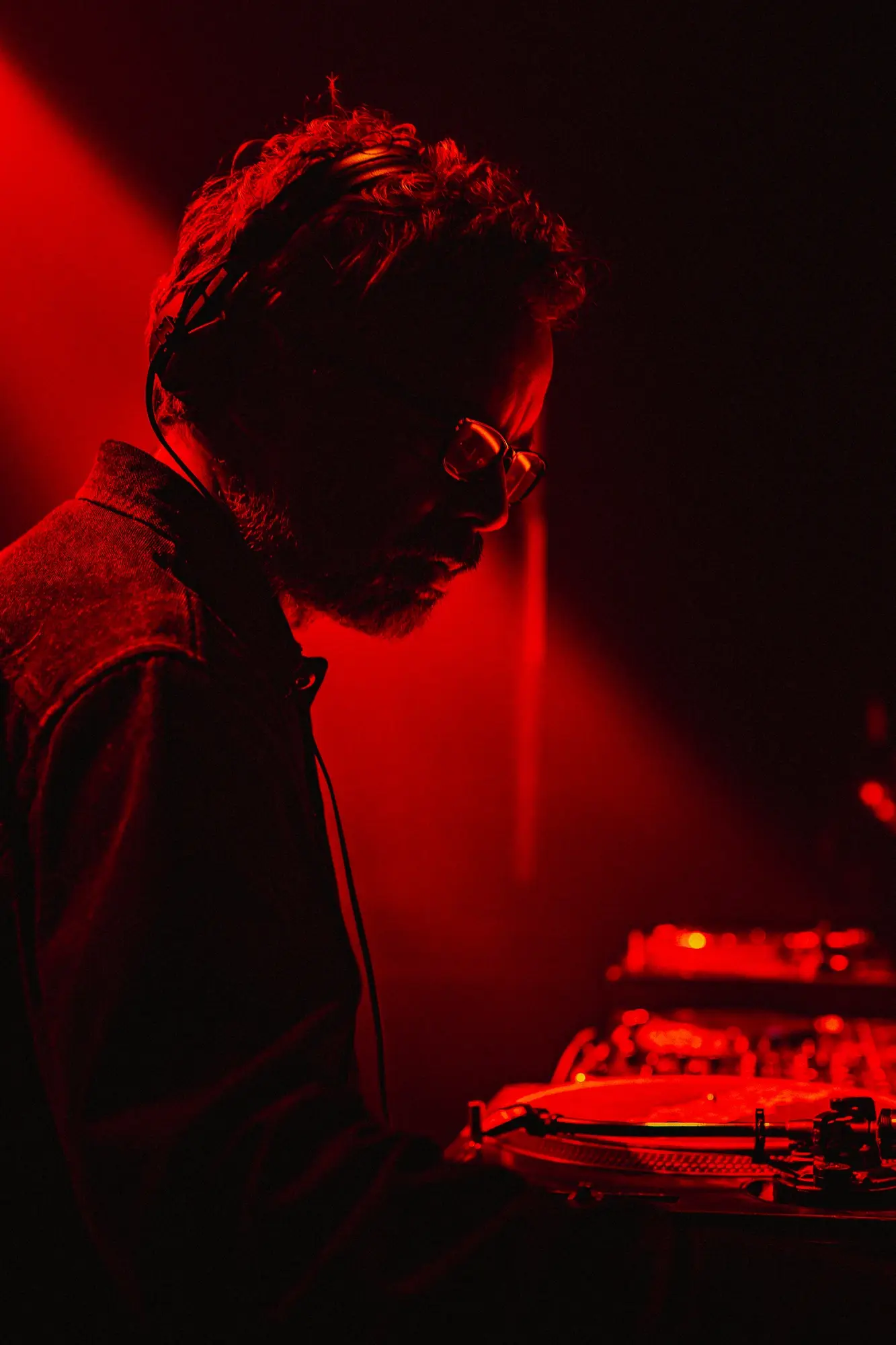
New venue, first time shooting there. No test shots from last time, no mental map of where the good angles are. This is the situation for probably half the events I shoot. Here's the system that means I still walk away with strong work.
Arrive early, shoot nothing
Always arrive at least 30 minutes before the event starts. Don't shoot yet. Walk the entire space. Look at where light falls, find the corners that will be interesting when people fill them, identify the dead zones. Note where the stage lighting hits, where the bar creates natural gathering points, where there's elevation you can use. This walk-through is the single most important part of the night.
Map the light
The lighting at an event is the venue's personality. Stage lights, neon signs, candles, street light coming through windows — all of it tells you what mood your photos will have. Don't fight the existing light; work with it. If one corner has gorgeous warm light, that becomes your portrait station. If the stage has dramatic color washes, plan to be there during peak moments.
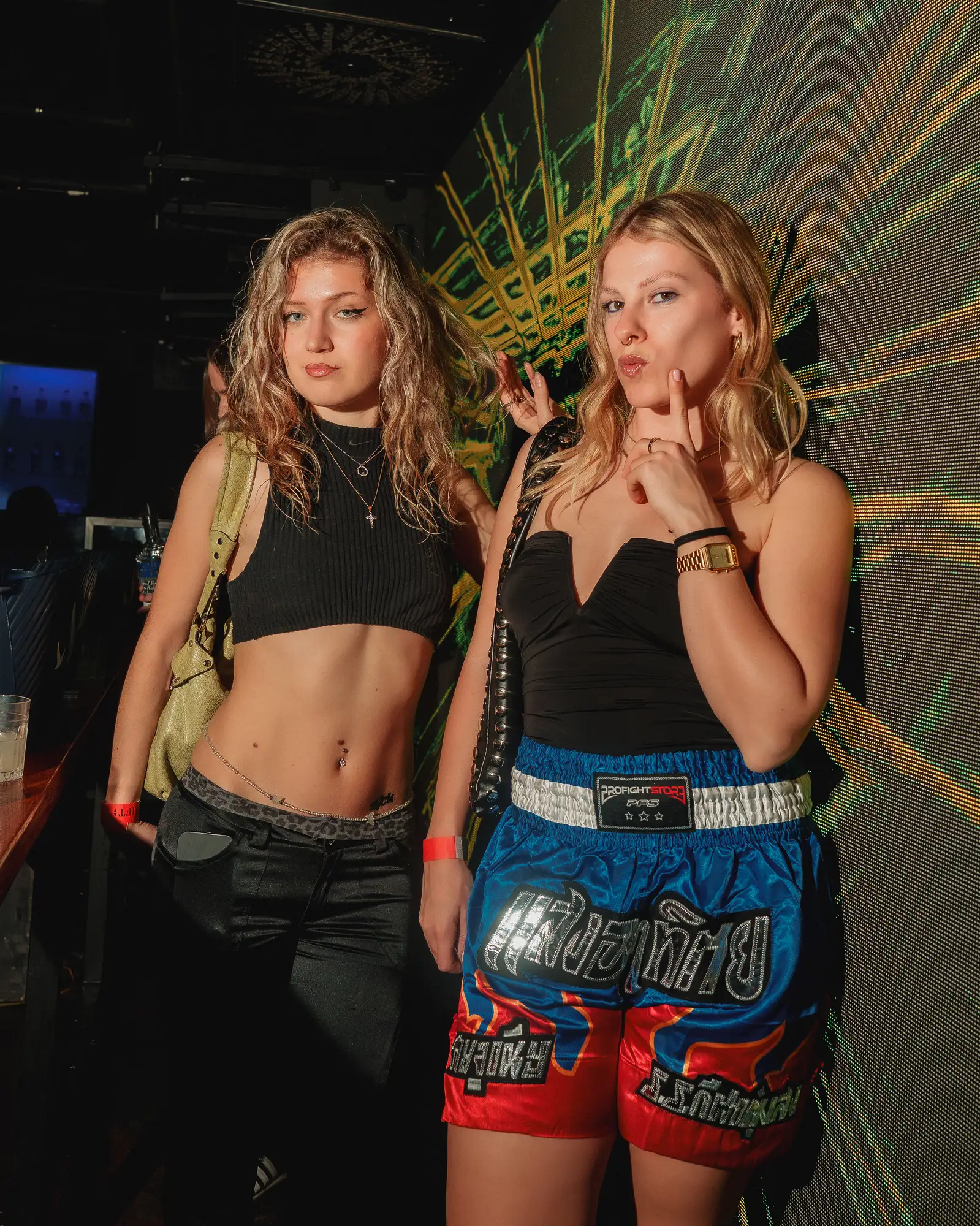
Reading the light before the crowd arrives
The first 20 minutes
Once the event starts, I shoot aggressively for the first 20 minutes. This is when I'm calibrating — testing what works in this specific space at this specific time. I'll try wide angles from corners, tight shots from the bar, overhead if there's a balcony. Most of these test shots get deleted. But they teach me where to be for the rest of the night.
Move constantly
I never plant myself in one spot. The entire event, I'm circling. New angle every few minutes. If I've been shooting from the left side of the stage for three songs, I move to the right. If I've been in the crowd, I find high ground. The variety in the final gallery comes from this constant movement — not from lens changes or Lightroom presets.
The mental checklist
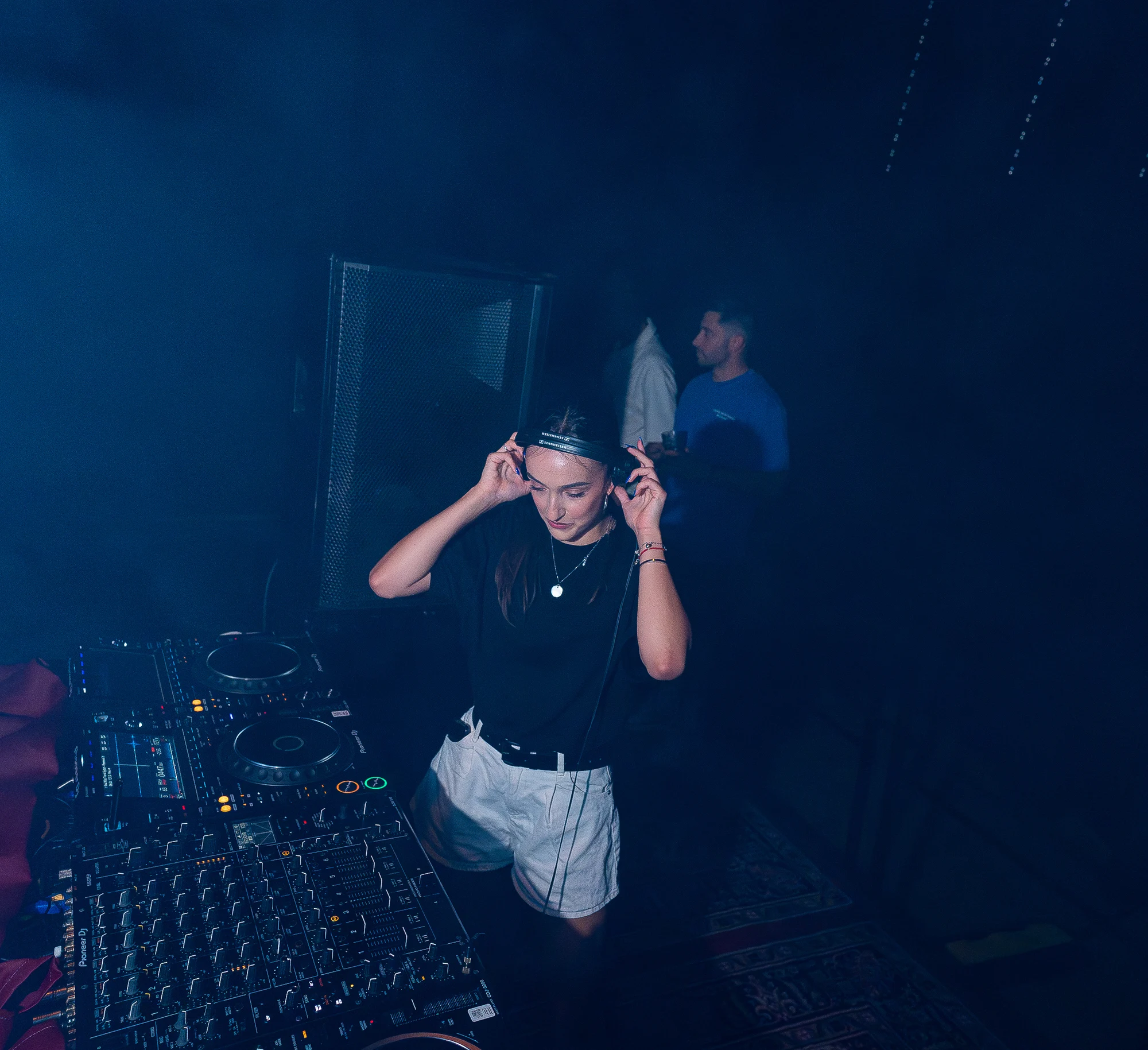
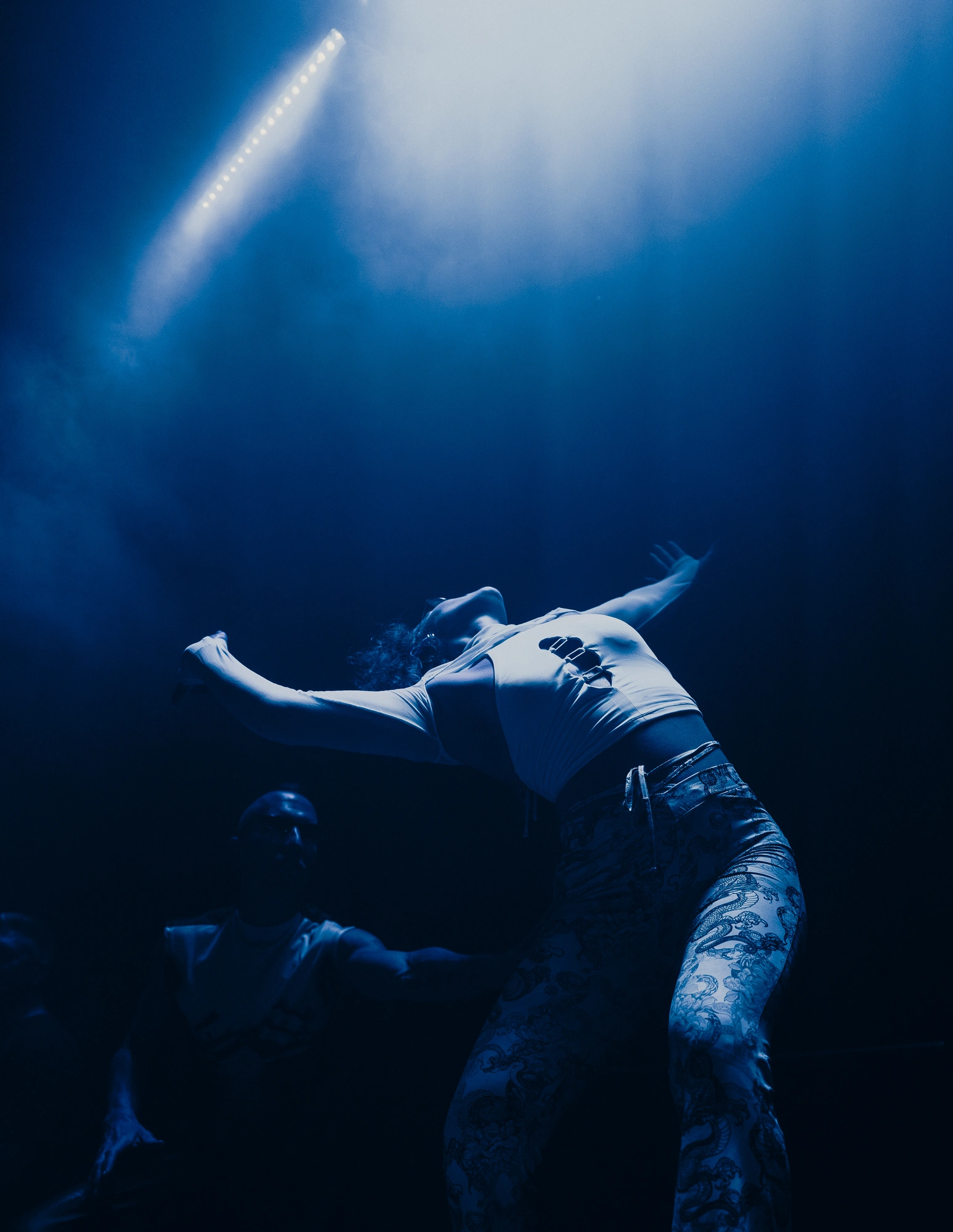
By the end of the night, I want: wide establishing shots that show the scale and vibe, tight portraits or candid moments that show emotion, detail shots (drinks, decor, hands, lights), at least one signature shot — something with a unique angle or moment that couldn't have been planned. If I have all four categories covered, the gallery tells a complete story.
A new venue isn't a disadvantage. It's an invitation to see something nobody's seen before.
After 80+ events, the system is instinct. But it started as a conscious checklist. If you're shooting your first events, write it down. Arrive early, map the light, shoot aggressively for 20 minutes, then settle into the rhythm. The venue will teach you everything you need — you just have to show up early enough to listen. See how this approach works across my event photography portfolio.