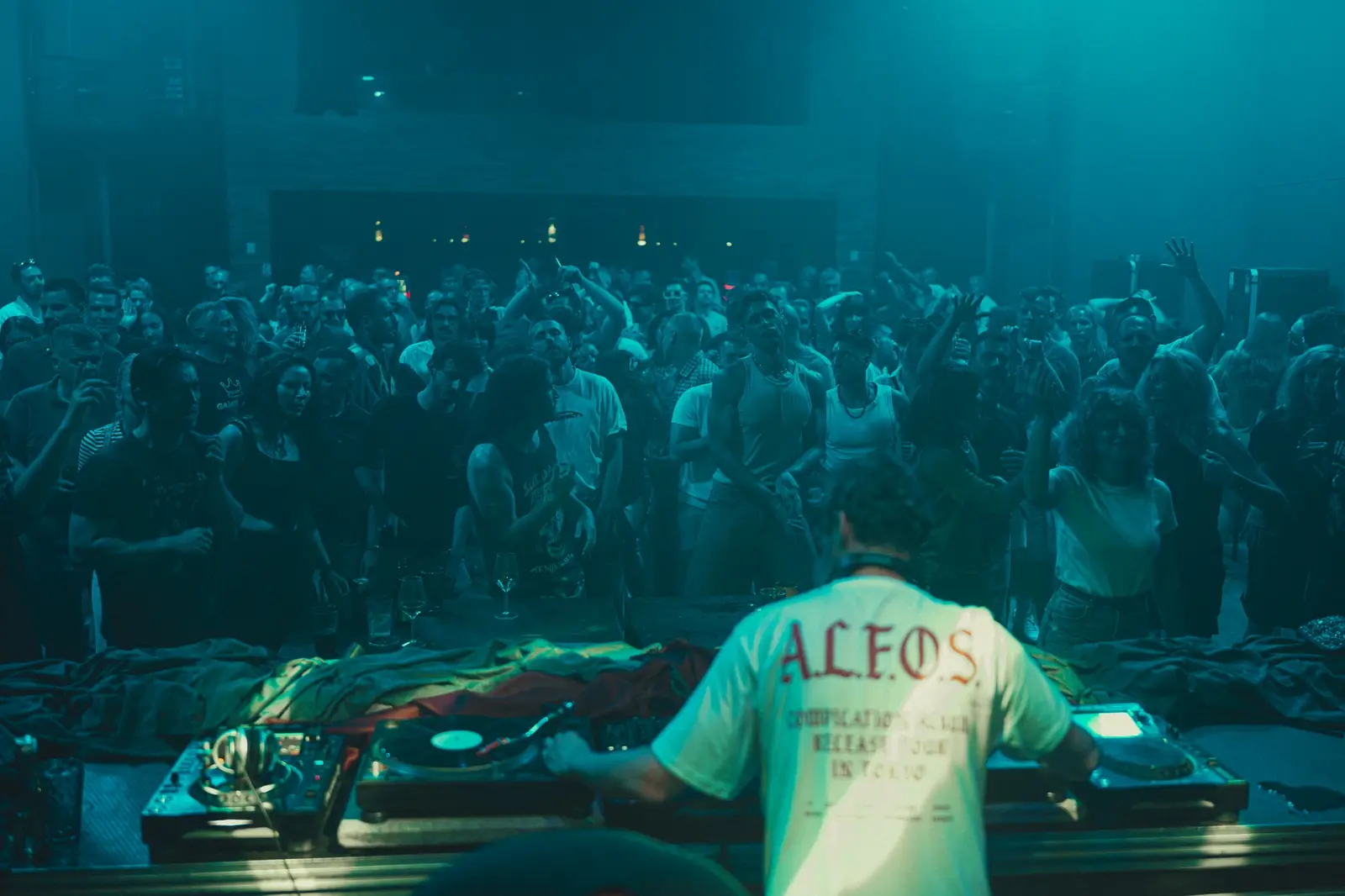
After 80+ events — from Defected Croatia to underground club nights at Peti Kupe — I've simplified my approach to the point where I barely think about settings anymore. Everything runs on instinct. But getting to that instinct took a lot of failed shots and a lot of nights standing in the wrong spot with the wrong lens.
Here's what I actually use. No theory, no YouTube-tutorial padding. Just what works when you're standing in a dark venue, the bass is shaking the floor, and you've got a split second to catch something real.
The body: Sony A7 IV
I shoot on the Sony A7 IV. It's not the latest flagship and I don't care. The autofocus is fast enough, the low-light performance is solid, and it's reliable in the kind of chaotic environments where gear gets bumped, sweated on, and shoved into tight spaces. I've never had it fail me mid-event.
The sensor handles high ISO beautifully. I regularly push to ISO 3200–6400 without hesitation, and I'll go to 12800 if the moment demands it. Noise is manageable in post. A missed moment isn't.
The glass: Sigma Art series
My entire lens kit is Sigma Art. The range covers everything from 20mm to 200mm. For events specifically, I lean on two lenses for 90% of the night — a wide prime for crowd energy and atmosphere, and a fast mid-range for isolating subjects in low light. The Art series gives me the sharpness and speed I need without costing what Sony GM glass costs. Here's the full breakdown of why I chose Sigma Art over Sony GM after testing both.
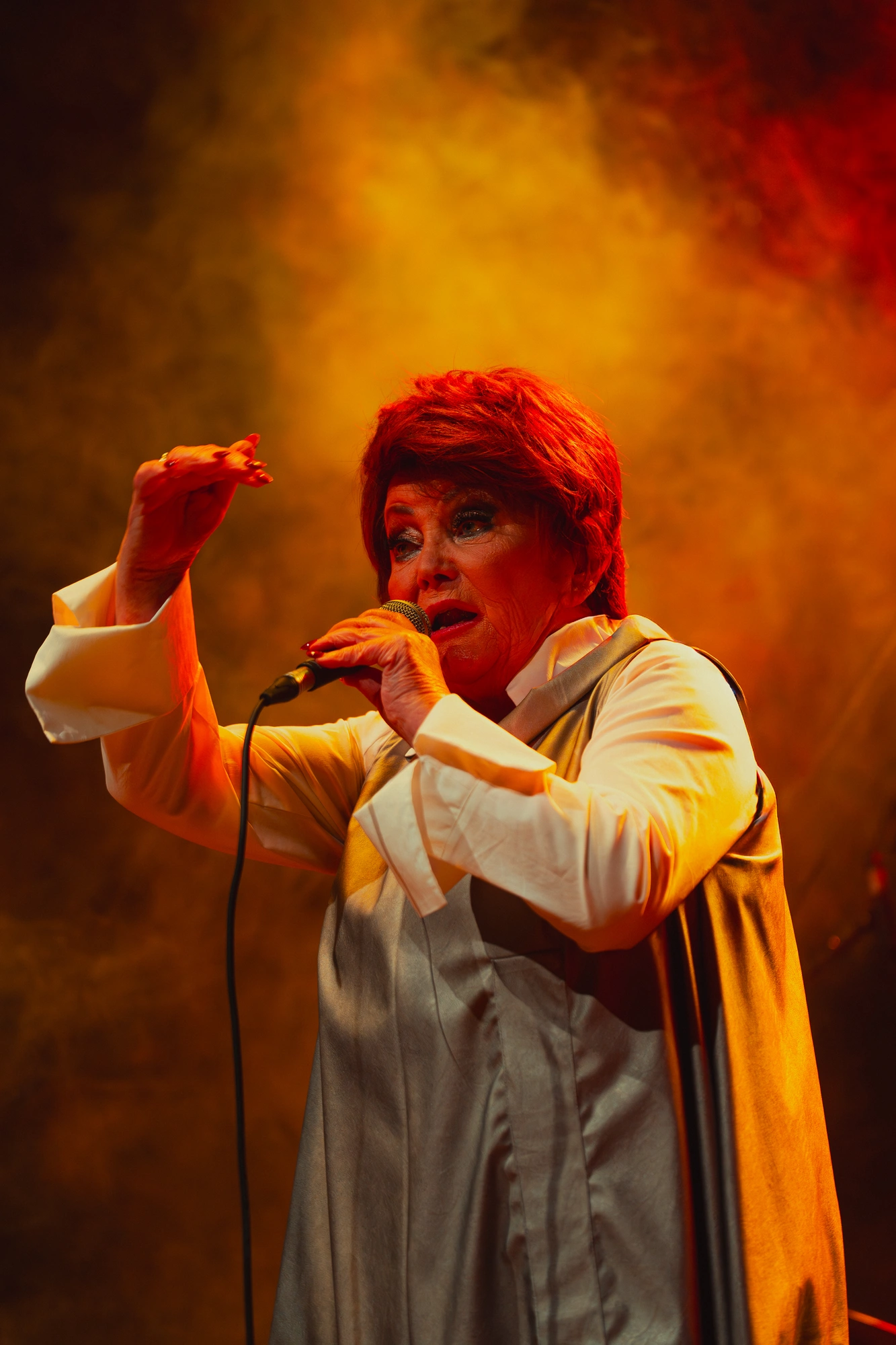
Defected Croatia — high ISO, fast lens, zero flash
Flash: Almost never
I carry Godox flashes. But here's the thing — I try not to use flash at events. The whole point is to capture the energy that's already there: the stage lighting, the lasers, the ambient glow of a club at 2am. Flash kills that atmosphere. I only pull it out when someone specifically asks me to take their portrait, or if the lighting situation is genuinely impossible.
The images that actually matter — the ones that make it to the final gallery — are almost always natural or stage light. That's the look. That's the mood. Flash is a backup, not a style choice.
The approach: Be a ninja
I always show up in full black with a hat on. The goal is to disappear. I'm trying to be a ninja with a camera — sneaking around, finding new angles, climbing on things if I can get away with it. Every corner, every elevation change, every unusual vantage point is an opportunity. The best event photos don't come from standing in the photo pit and shooting straight at the stage. They come from finding the angle nobody else thought to look for.
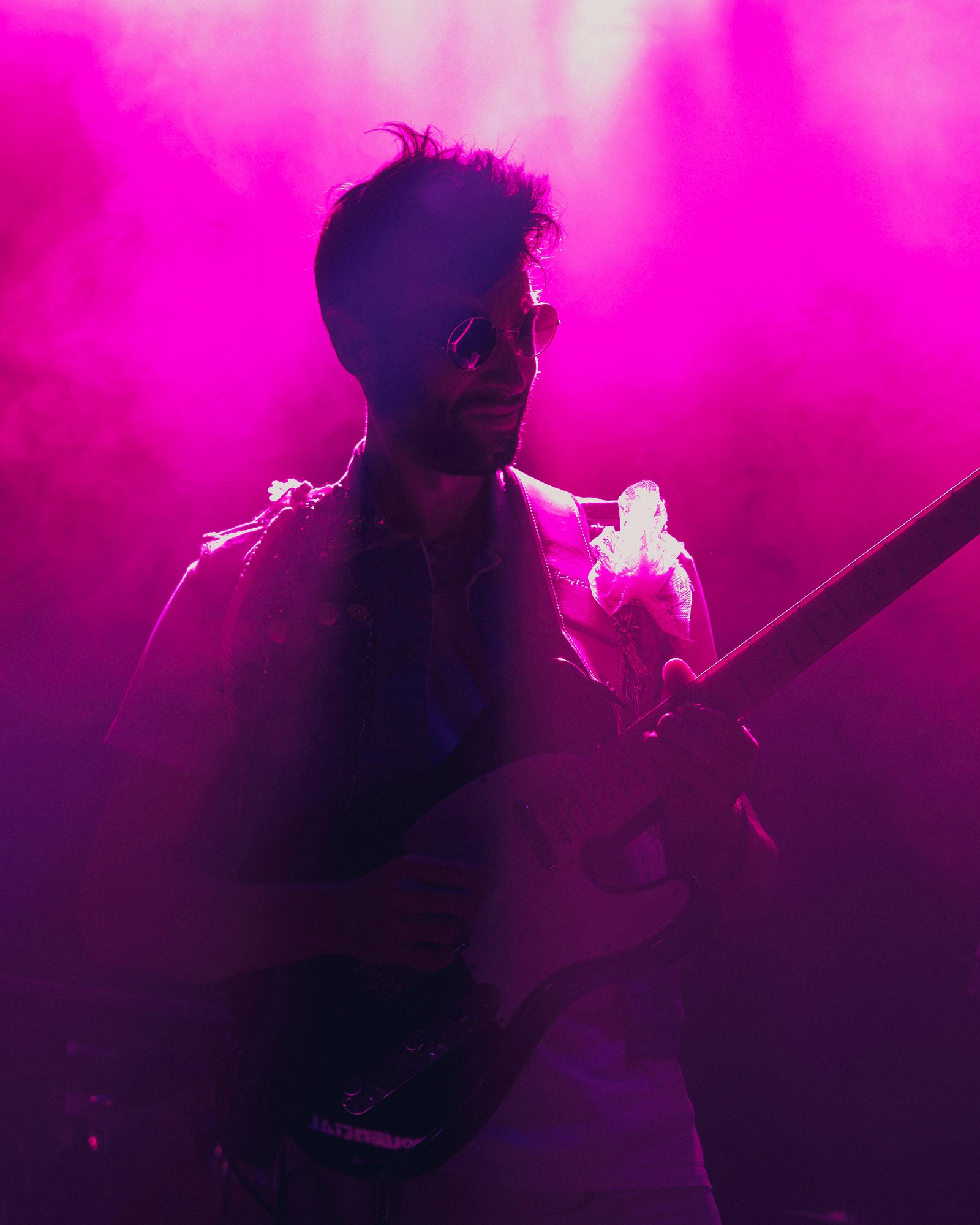
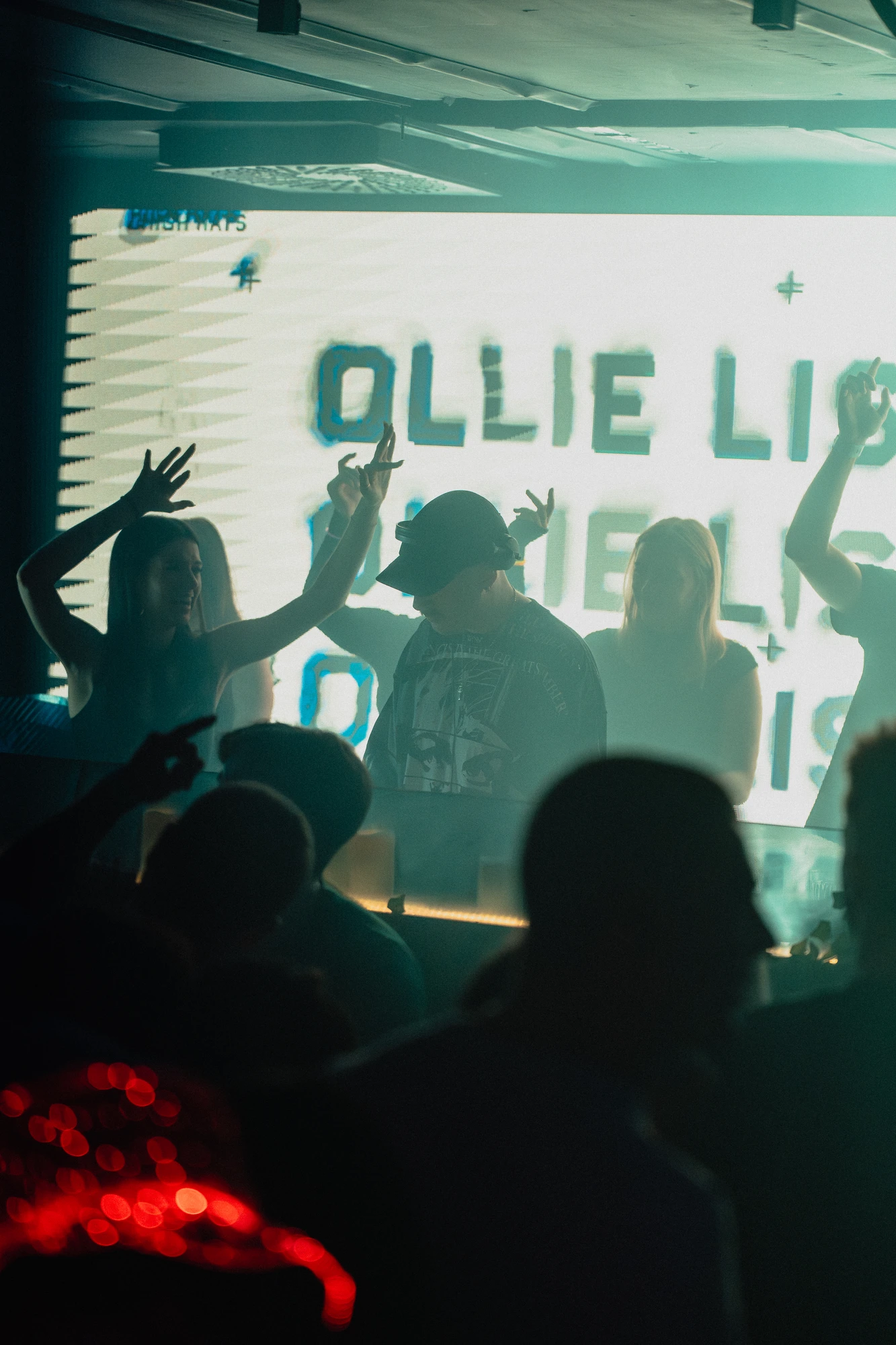
Point a camera at chaos. Pull out something meaningful. That's the whole job description.
Delivery: Next day
I typically deliver 40–60 photos per event, sometimes more depending on the scale. The turnaround is fast — usually the day after the event. If we shot in the morning, often by the afternoon. Clients get a private download link via Google Drive or Mega. No waiting around for weeks. The energy of the event is still fresh, and that's when the photos hit hardest.
My editing approach is signature but adaptive. Cinematic, warm tones are the baseline, but what the image wants always comes first. I push toward cinematic, but I never force a look onto a frame that's asking for something else.
The settings don't make the photo. The moment does. Everything I've set up — the gear, the approach, the delivery speed — exists to make sure I never miss it. Want to see how this approach looks across dozens of real events? Check out my event photography portfolio.