In the camera settings post I mentioned that my entire lens kit is Sigma Art. People ask about it constantly. The assumption is usually that I went Sigma to save money and made some kind of compromise. The reality is more boring than that — I did the math, I shot both, and I kept choosing Sigma. After 80+ events on this kit, I'm not switching.
Here's the honest breakdown.
The price gap is bigger than you think
A Sony 35mm f/1.4 GM is around $1,400. The Sigma 35mm f/1.4 DG DN Art is $899. That's $500. The Sony 24-70 f/2.8 GM II is around $2,300. The Sigma 24-70 f/2.8 DG DN II Art is around $1,200. That's $1,100 — for one lens.
If your kit is three primes and a zoom, you're looking at $2,000–$3,500 saved going Sigma. That's not "a little cheaper." That's a body upgrade. That's a backup body. That's six months of rent in Zagreb. It's not a small decision.
Reviewers say the same thing — over and over
I've read every comparison that exists, and the pattern is identical no matter who's running the test. Fstoppers put it cleanest reviewing the 24-70s: the Sigma "gives you at least 90% of the GM's overall performance while costing essentially 50% of the price." PetaPixel reached the same conclusion on the 35mms — Sony costs $700 more for "modest advantages."
The phrase "sharpness isn't the whole story" comes up so much in these reviews you can almost predict it. Because once you start digging, the Sony advantage is real but specific. It's there in corners at f/1.4. It's there in resale value. It's there in the autofocus on a Sony A1 doing eye-detect on a bird in flight. None of those things describe an event.
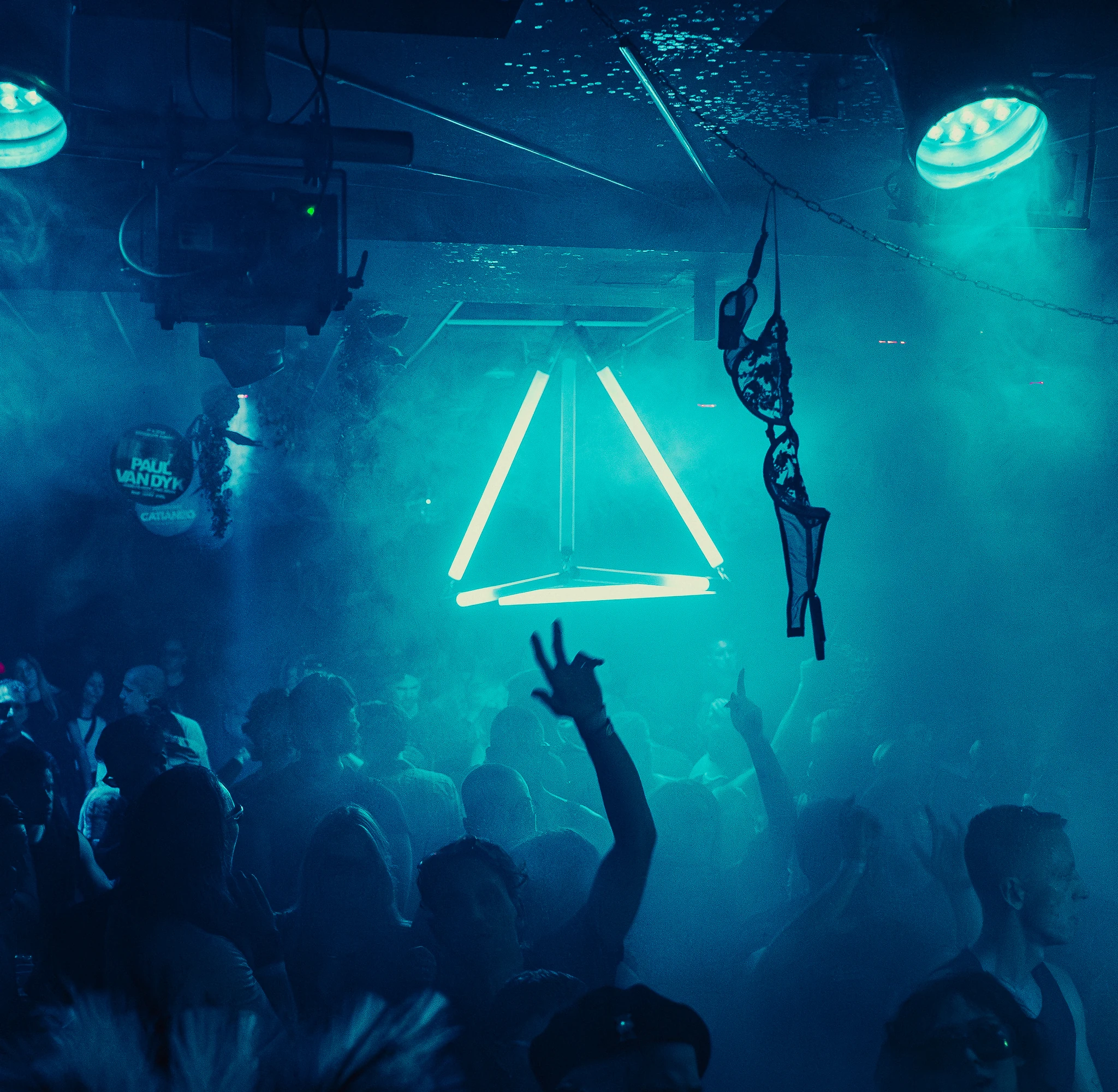
Shot wide open on Sigma Art — no flash, ambient stage light only
What actually matters at events
I shoot wide open most of the night. f/1.4 to f/2.0, sometimes f/2.8 on the zoom. I'm shooting people moving fast in unpredictable light. The subject is in the middle of the frame nine times out of ten. Corner sharpness at f/8 is irrelevant — I'm never at f/8.
What actually matters:
- Center sharpness wide open. Sigma matches Sony here, sometimes beats it.
- Color rendering at high ISO. Both are excellent. Sony has a slight edge in skin tones, but it's a colour grade in post, not a missed shot.
- Bokeh. Sigma usually wins. The Art series has a smoother roll-off that suits portraiture better.
- Low-light AF. Both are fast enough. I miss shots because I was in the wrong spot, not because the lens couldn't lock.
The autofocus argument
This is the one place Sony GM has a real, measurable advantage — and it still mostly doesn't matter to me. Sony's first-party glass communicates with their bodies through a closed pipeline. Eye-AF tracking on the Sigma is excellent but not always 100% identical. On the Sony A1 with a fast-moving subject, the gap is visible. On the A7 IV at a club night? You can't tell.
I've never lost a hire because the AF was 5% slower. I've never had a client say "this would have been sharper with Sony." If the sensor in the body is the actual bottleneck — and on most cameras it is — the lens isn't the limiting factor.
Weight is no longer a real argument
This used to be the strongest case for Sony GM. Sigma was famously chunky. Then Sigma released the Mark II versions. The 24-70 II Art is 735g. The Sony 24-70 GM II is 695g. That's 40 grams. You can't feel that across an eight-hour event. The weight conversation is over.
Where Sony wins, honestly
Weather sealing. Sony GM glass is genuinely better sealed. Sigma has improved with the DG DN line but Sony is still ahead. If you shoot outdoor weddings in rain, that matters.
Resale value. Sony GM holds resale much better. If you upgrade every two years, that gap closes most of the price difference over time.
Specific bodies. A Sony A1 or A9 III paired with first-party glass unlocks AF behaviours you can't fully access with third-party lenses. If you're shooting birds, sports, or wildlife professionally, this is real.
I shoot indoor and semi-outdoor events on an A7 IV. None of those edge cases describe my work.
Spending the extra €1,000 on a Sony GM lens isn't wrong. It's just paying for advantages I don't use.
What the savings actually buy
This is the part nobody talks about. I took the money I saved going Sigma across my kit and put it into things that actually move a shoot forward — a second A7 IV body so I never work an event without a backup, a Godox flash setup that handles the rare situation natural light can't, faster CFexpress cards so the buffer never makes me miss a sequence. Some of it went into travel. I've been able to shoot in Berlin, Vienna, and Belgrade because the gear budget could stretch.
The lens isn't the photo. The body matters less than people think. The location, the moment, the angle — those make the photo. Sigma Art lenses got me to the point where the gear stops being the conversation.

Bottom line
If I were starting from scratch today, I'd buy the same kit. Sigma 35mm Art, Sigma 50mm Art, Sigma 24-70 Art II, and a longer prime for compression shots. Sony A7 IV. Done.
The Sony GM line is excellent glass for the people who specifically need what it offers. Most event photographers — me included — don't.
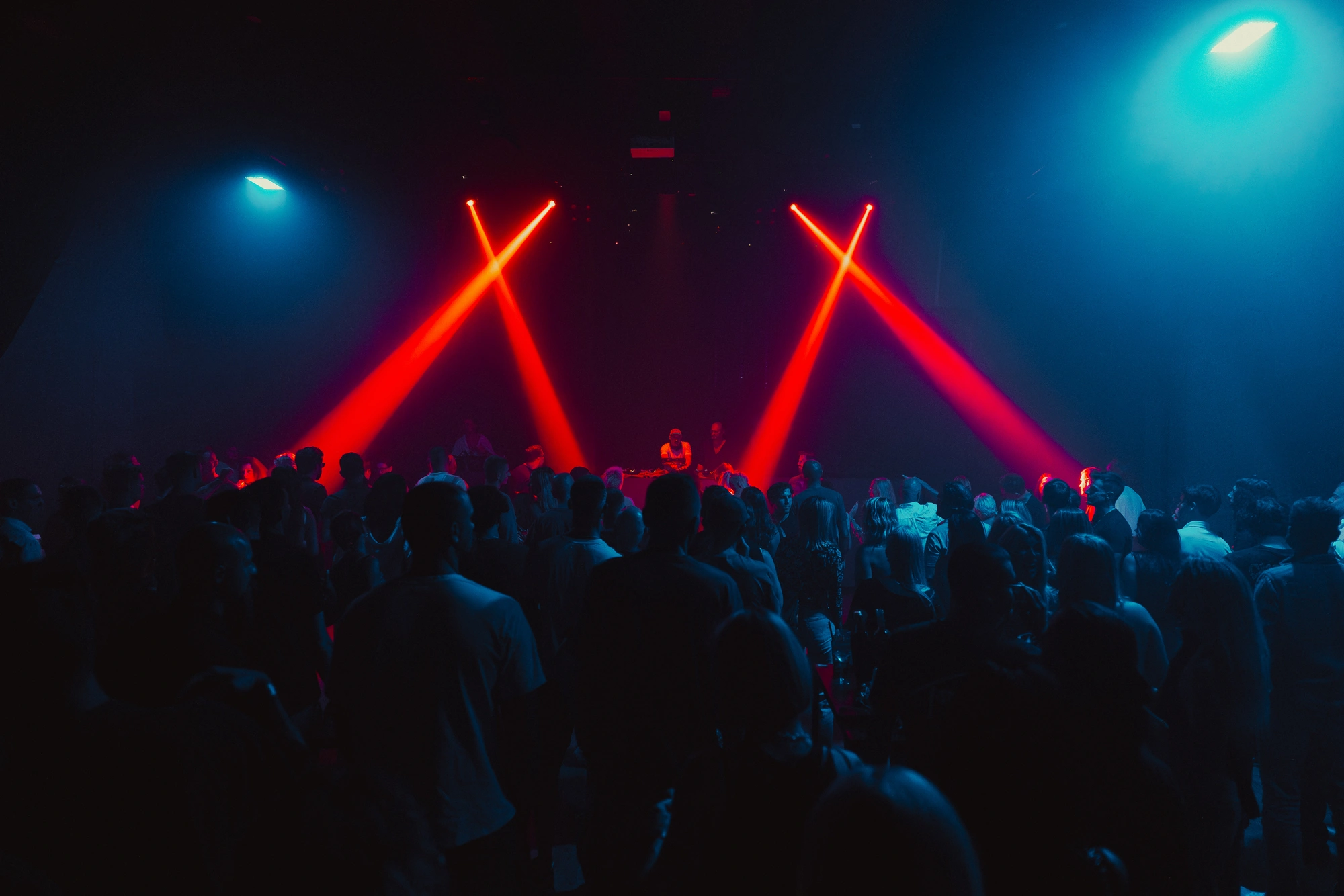
If you want to see what this kit produces in real venues, take a look at my Zagreb event photography portfolio, or read the longer breakdown of the camera settings I actually use at events. If you're thinking about hiring me for an event, the easiest way is just to get in touch.