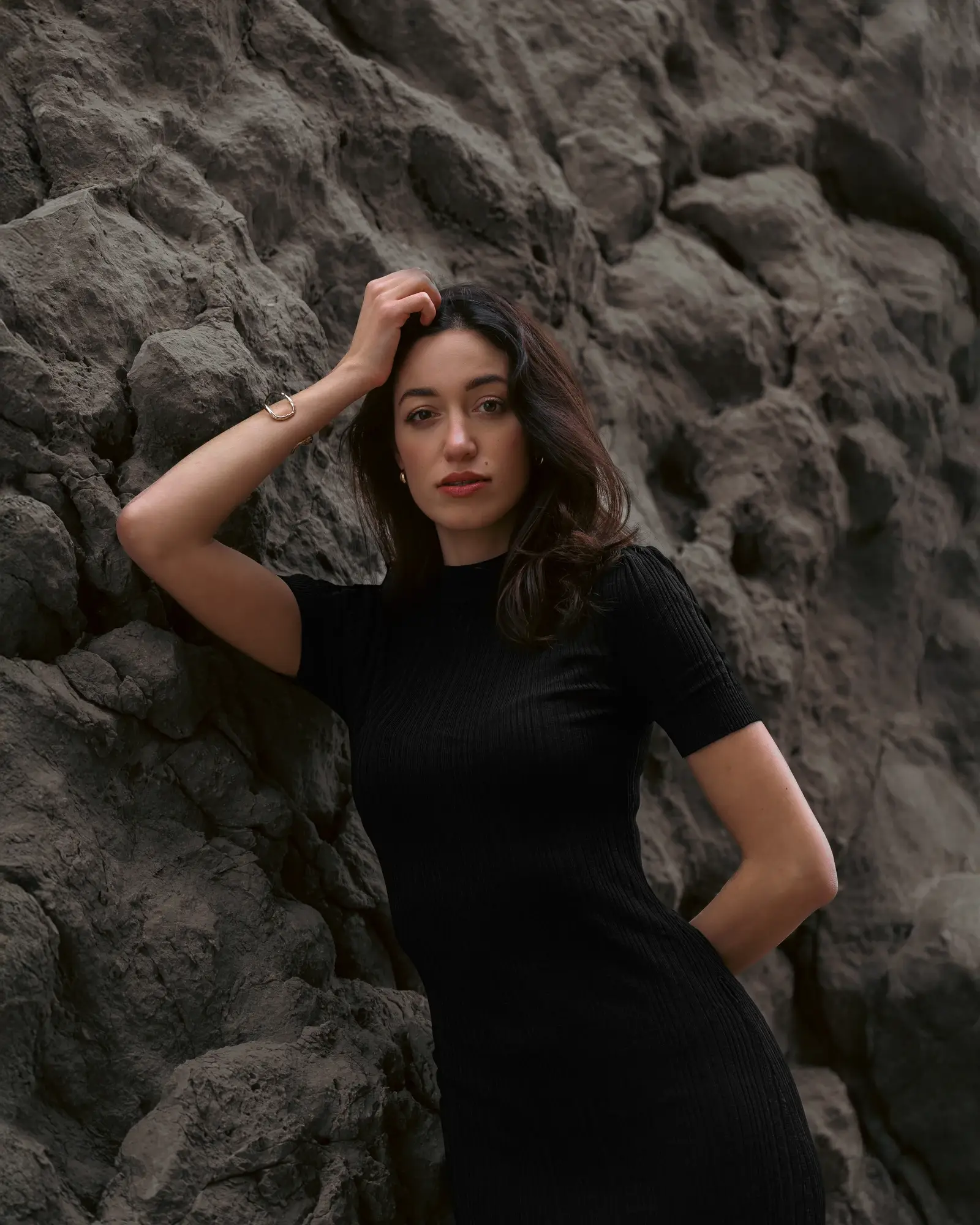
Watch any major fashion shoot in real time and you'll see maybe fifteen people on set. The photographer, their assistant. A styling team. Hair, makeup, a producer, a PA, a second PA. A gaffer for lighting, maybe a grip. A photographer's manager. Sometimes a client representative watching it all happen.
I don't work that way. Most of my editorial and lookbook shoots happen with just myself and one other person. Sometimes it's the model and me. Sometimes it's a model, a makeup artist, and me. That's the whole crew.
This isn't a budget constraint. It's a choice. And I genuinely believe the work is better for it.
The Pivot to Fashion
I didn't start here. For years, I shot events. Dark rooms, strobes, movement, immediacy. That work was formative — it taught me to anticipate and react fast. But by around 2021, I realized I wanted range in my body of work. I wanted to show that I could light a space deliberately. That I could build a concept, shoot it methodically, and produce work that could sit in an editorial context.
So I started saying yes to fashion and editorial work. And I was selective about collaborators. I worked with Ella Dvornik on a major production — that shoot was complex and necessary and taught me about production design at scale. I worked with Mirta Miler, Žanamari, Riva Pauletić. Croatian talent that was underrepresented in the kind of cinematic editorial I wanted to make.
Along the way, I noticed something: the best shoots weren't necessarily the ones with the biggest crews. The best ones were the ones where decisions happened fast and felt human.
Why Small Crews Work
Imagine you're on set with 15 people. Someone has an idea. It needs to go through the photographer, the stylist, the client, the producer. By the time it gets implemented, the moment has passed. The model is tired. The light has changed. The energy is flat.
With two people, the conversation is direct. I see something, I mention it to my collaborator — let's say a makeup artist — and it happens in seconds. If the model has an instinct about a pose or a moment, we can respond to it immediately. There's no filter. No committee.
The model also feels less watched. When there are fifteen people on set, you're performing for the room. When it's just a camera and one other person, you can actually be present. That presence reads in the frame. It's the difference between someone hitting a mark and someone living in the image.
Energy stays intimate even when the concept is big. That translates. You can feel it.
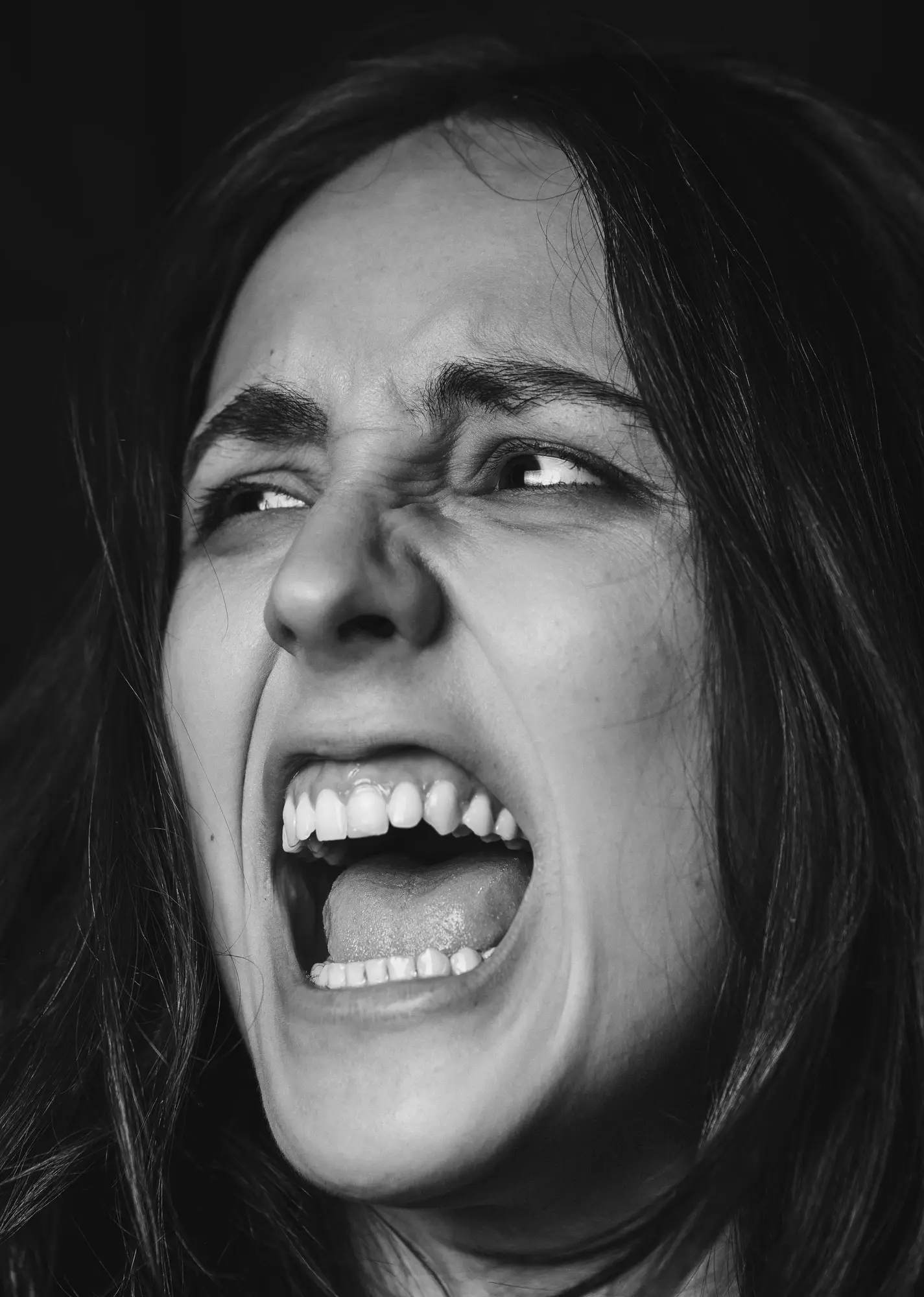
Fashion editorial — minimal crew, maximum control
Direction First, Visuals Second
Here's my core philosophy: the visual system matters more than any single beautiful frame. I never show up to a shoot to "see what happens." That's lazy. Every shoot has a concept, a mood, a point of view, a reason it exists.
But — and this is important — direction isn't the same as rigidity. I plan the framework. I know the locations, the lighting setup, the rough sequence of looks. But within that structure, I leave room for discovery. For the model to suggest something. For the light to do something unexpected. For accidents to happen that are better than what I planned.
That's where the small crew shines. With more people, you're protecting the plan. With fewer people, you can follow instinct.
The Lookbook Formula
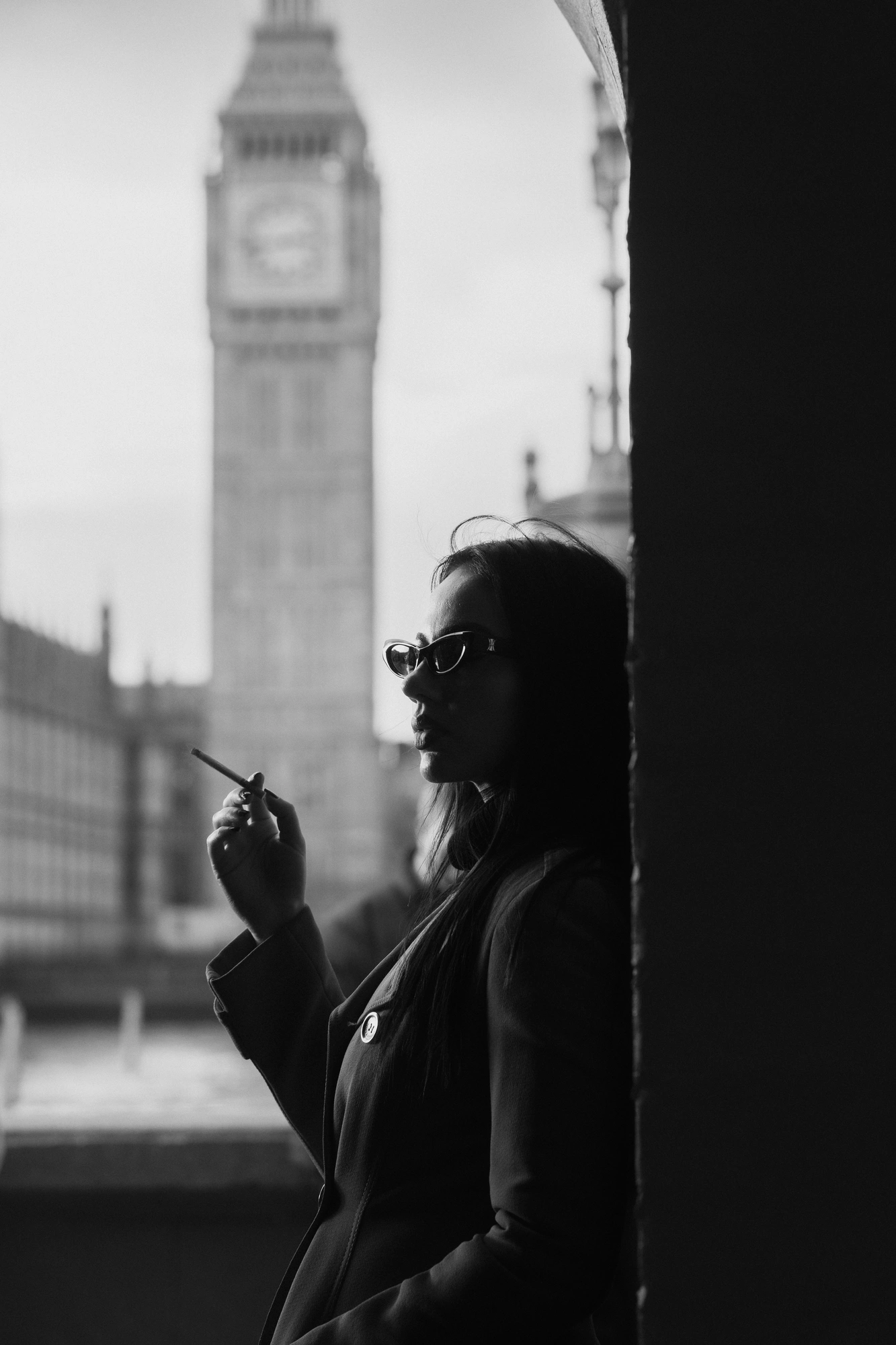
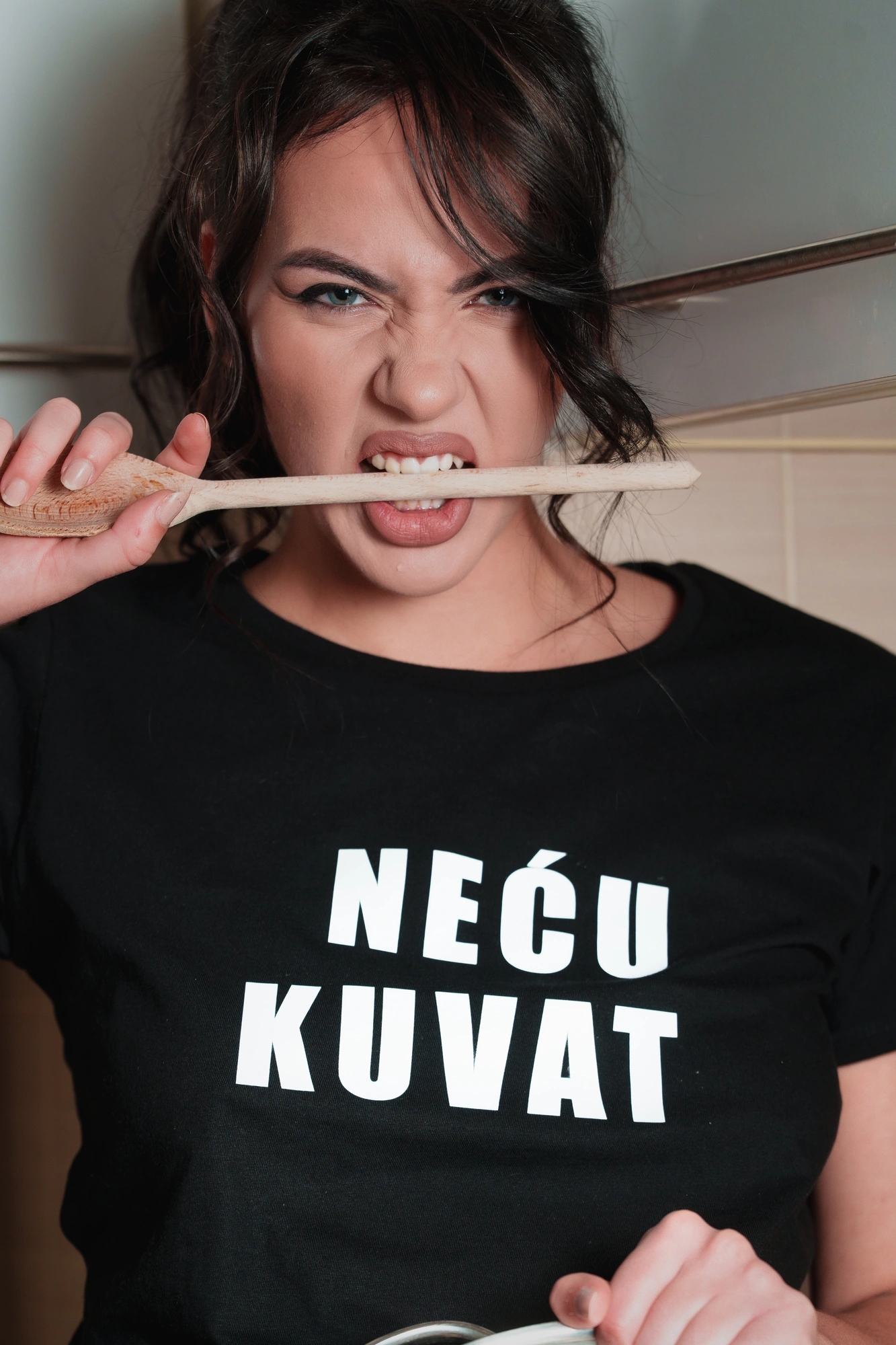
A lookbook is commercial work, but that doesn't mean it has to feel commercial. The workflow is always: mood board, location scout, one test shot to lock the grade, then move. Move through looks, through angles, through moments. A lookbook isn't about art. It's about presenting clothing — or styling, or an aesthetic — in a way that has personality but doesn't distract from what you're showing.
The trick is making it feel editorial. Making it feel like it matters. Like there's something to discover instead of something to consume. That requires control, which is easier with fewer people in the room.
Direction is the product. The photograph is the receipt.
Why This Matters Locally
Fashion photography in Croatia was a space I wanted to push. The local market was full of clean, safe, catalog-style work. Competent. Safe. Forgettable. I wanted to bring the cinematic edge I'd built with Deserted Depth into commercial fashion. To prove that you could do lookbooks and editorial that had a point of view, that had risk.
The small crew is part of that. It's a signal: we're not doing this one way. We're collaborating. We're present. We're making something that matters because we care about it, not because we're filling a brief.
It's the future of how I want to work. This is the approach I take with all my fashion & beauty shoots.